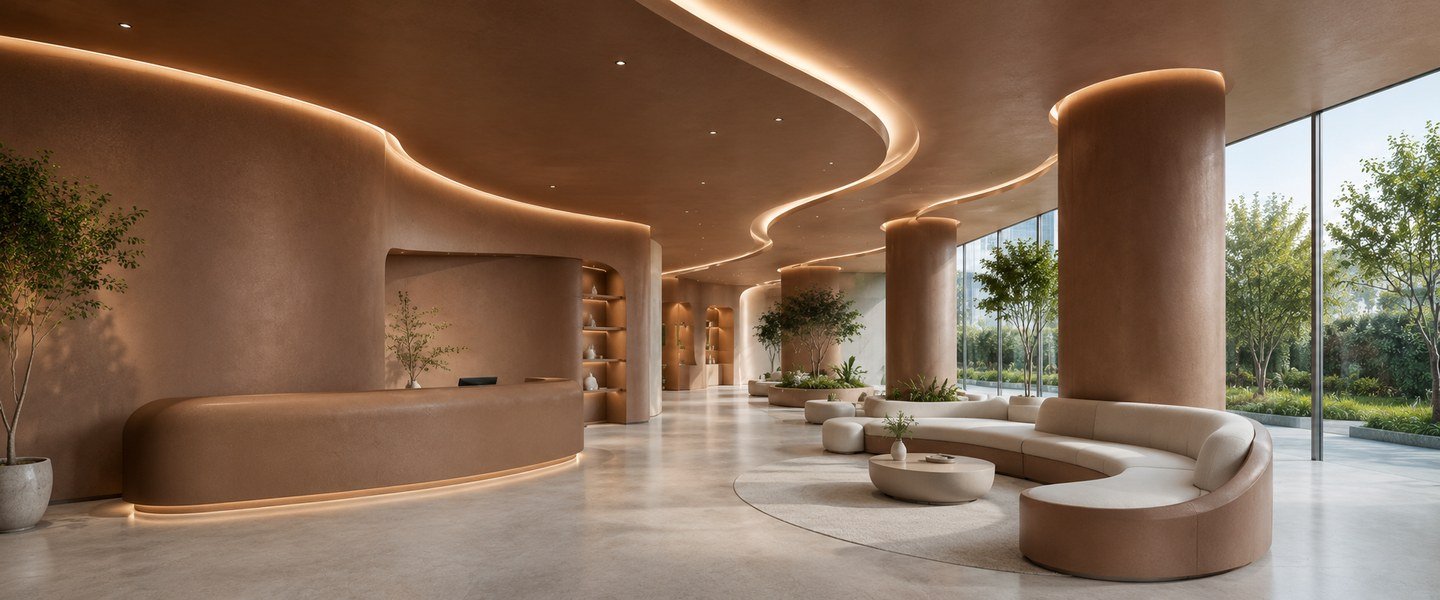
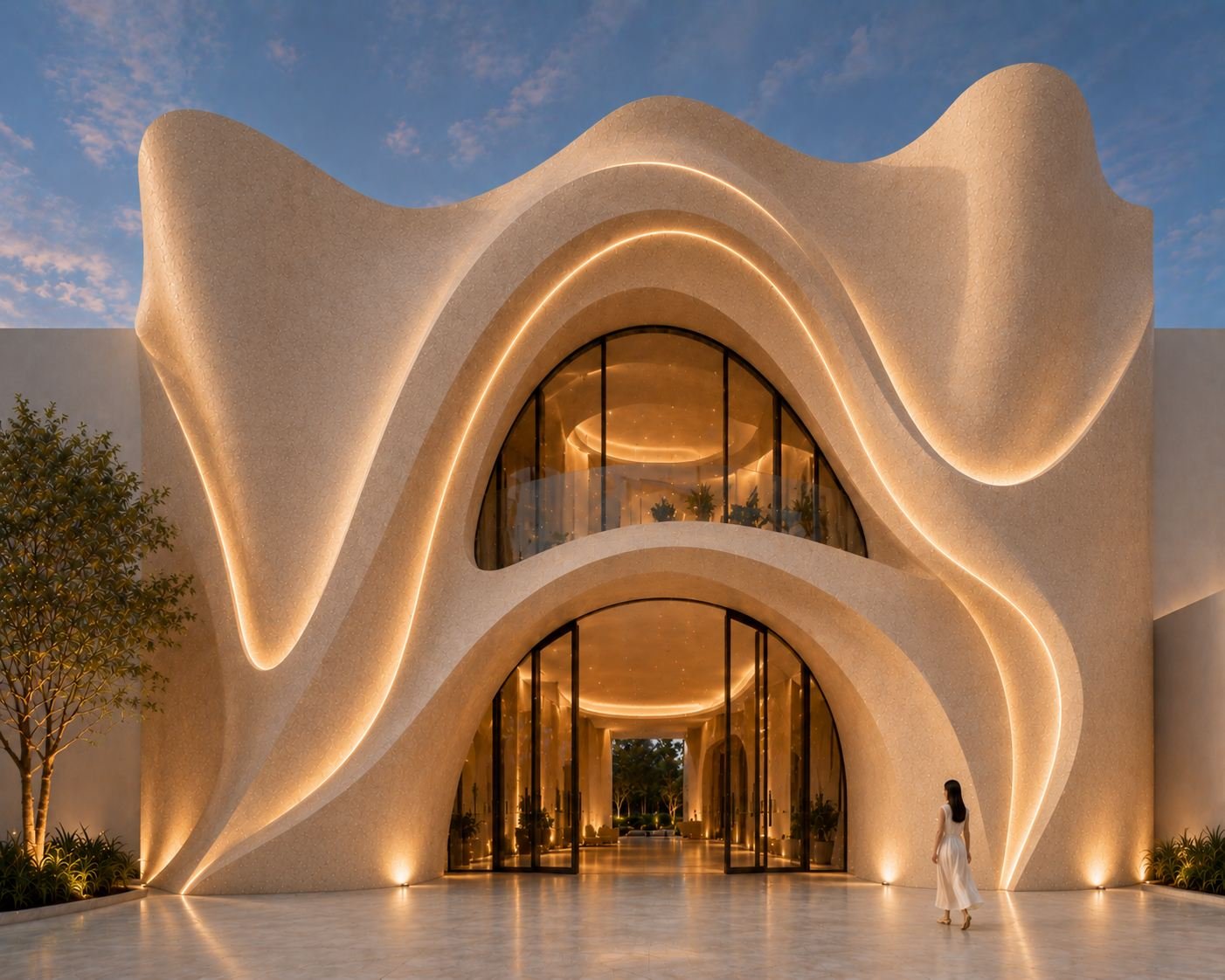
The material conversation in Indian interior design has shifted — from “what looks good” to “what actually performs” — and 2026 is the year that shift became mainstream rather than a niche concern for a handful of architects.
From Wood-Look to Wood-Performance
For years, the interior materials market chased the visual appearance of natural wood above almost everything else. That’s changing: designers and clients increasingly want materials that perform like premium wood — stable, durable, finish-ready — without inheriting wood’s actual weaknesses like moisture sensitivity, termite vulnerability, and natural variability. The aesthetic bar hasn’t dropped; the performance bar has risen to meet it.
Sustainability Is No Longer Optional
Questions about deforestation, VOC emissions, and formaldehyde content have moved from occasional client questions to standard spec-sheet requirements, particularly on architect-led and commercial projects. Eco-credentials aren’t a differentiator anymore in premium projects — they’re table stakes.
Wet-Area Design Is Expanding Beyond Bathrooms
Open-plan kitchens, indoor greenery and planters, spa-style ensuites, and balcony-integrated living spaces mean waterproofing now matters in rooms and zones that never used to be considered “wet areas” in traditional Indian home design. Materials once reserved for bathrooms are increasingly being specified for entire homes.
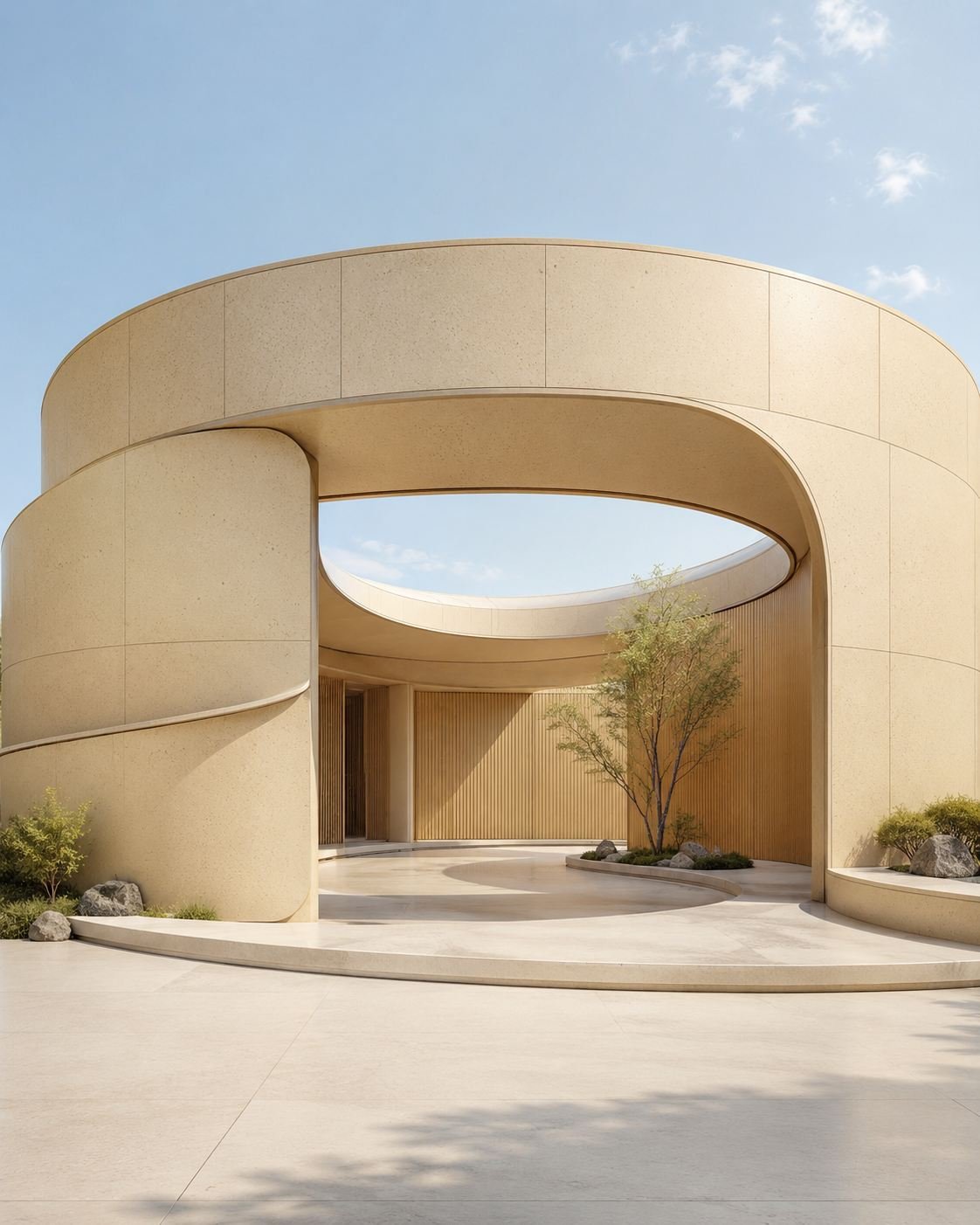
“The best interior materials trend of 2026 isn’t a color or a texture — it’s a shift toward materials that simply don’t fail.”
Engineered Boards Replacing Plywood at the Spec Level
Architects are increasingly specifying engineered composite boards as the default material choice on drawings, rather than positioning them as a “budget alternative” to solid wood or premium plywood. This is a genuine shift in how the material is perceived — from compromise to first choice — and architects across India are already making this shift.
Where WAZWOOD Board Fits This Shift
WAZWOOD Board — 100% waterproof, termite proof, fire retardant, zero formaldehyde, available 6mm to 30mm thickness — sits directly at the intersection of these trends: performance-first, sustainability-forward, wet-area-ready, and increasingly the architect’s default rather than the fallback option.